
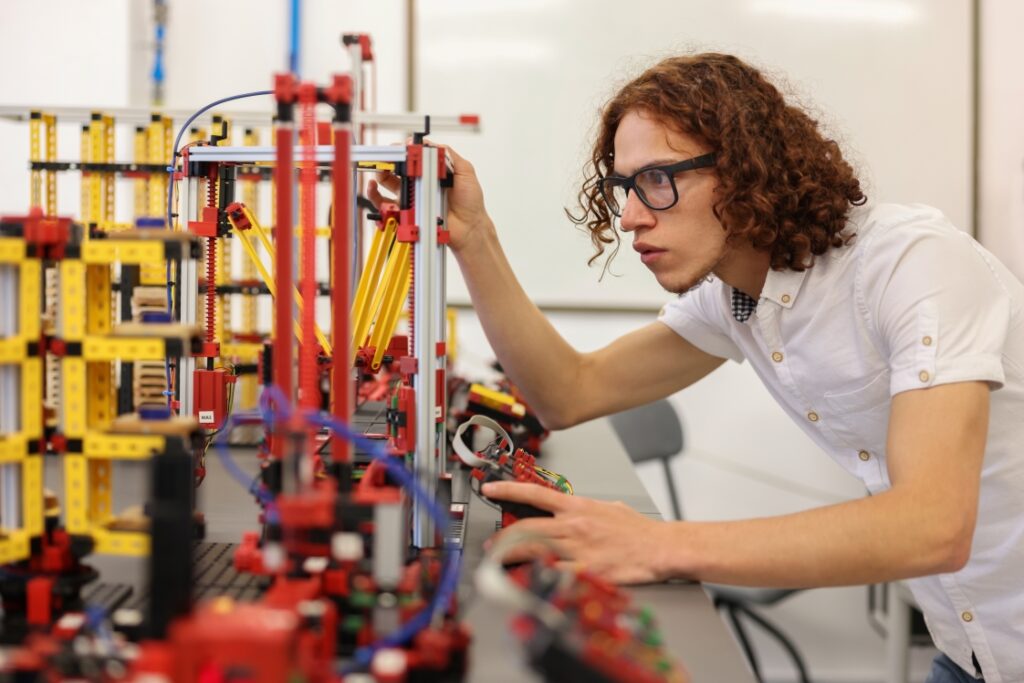
Become the engineer who connects clean tech and energy systems
Energy systems are no longer defined by a single technology. Renewable generation, storage, electricity and heat, buildings, transport, markets and policy increasingly have to work together. Engineers need to understand how individual technologies perform and how decisions in one part of the system affect the rest.
The Master’s in Sustainable Energy Systems prepares you to work across those connections. In Year 1, you build a shared foundation in energy technologies, systems, economics, policy and sustainability. In Year 2, you choose one of seven specialisation tracks, from combined energy systems and Energy-to-X to offshore, digital and circular energy systems.
Your study plan
Choose one of three universities for sustainable energy systems engineering foundation:
-
KTH Royal Institute of Technology
- Stockholm, Sweden
- Study areas include energy resources, renewable energy technologies, power systems, energy markets, AI applications in sustainable energy engineering, thermal conversion, energy in the built environment, climate policy and energy storage. Year 1 also includes 10 ECTS of Project of the Year coursework, completed through company-based projects. Some courses are delivered online or jointly with Universitat Politècnica de Catalunya (UPC) as part of the shared curriculum.
-
UPC · Universitat Politècnica de Catalunya · BarcelonaTech
- Barcelona, Spain
- Study areas include energy resources, renewable energy technologies, electric power systems, energy markets, data science, efficient energy use, sustainability, climate policy and energy storage. Year 1 also includes 10 ECTS of Project of the Year coursework, completed through company-based projects. The route also includes cross-institutional teaching KTH Royal Institute of Technology.
-
TU/e Eindhoven University of Technology
-
- Eindhoven, the Netherlands
- Study areas include energy, economy and society, sustainable energy sources, building performance, electrical power engineering and system integration, data science, smart grids, climate policy and energy storage. Year 1 also includes 10 ECTS of Project of the Year coursework, completed through company-based projects. The curriculum also includes courses delivered by KTH Royal Institute of Technology and Universitat Politècnica de Catalunya (UPC).
*Whichever university you start at, you follow a common approach built around blended learning and cross-institutional teaching. Some courses are taught on campus while others are delivered by partner universities, bringing students across the three locations into shared classes, assignments and projects.
Move to a second university and choose one of seven specialisation tracks:
-
KTH Royal Institute of Technology
- Stockholm, Sweden
- Combined Energy Systems: explore how different energy sources, technologies and services can be combined efficiently, with a particular focus on polygeneration and the optimisation of complex energy systems. The route also includes a 6 ECTS Integrated Project of the Year, alongside electives in areas such as sustainable power generation, transport, buildings, circular economy, energy-system modelling and markets.
-
Politecnico di Torino
- Turin, Italy
- Energy-to-X and CO₂ Management: explore how renewable energy can be transformed into other energy forms, storage, hydrogen and synthetic products, alongside the management and use of CO₂. The route also includes a 6 ECTS Integrated Project of the Year, with electives spanning batteries, electrochemistry, energy storage, process simulation, energy networks, advanced materials and energy planning.
-
TU/e Eindhoven University of Technology
- Eindhoven, the Netherlands
- Innovation in Energy Systems: explore innovation across energy supply and demand, including electrical systems, the built environment, energy technology and the wider technological, economic and societal implications of energy-system change. The track includes a 45 ECTS individual thesis project and a 6 ECTS Integrated Project of the Year, supported by specialisation courses.
-
Instituto Superior Técnico
- Lisbon, Portugal
- Offshore Energy Systems: explore the technological, economic, legal and environmental questions surrounding energy technologies, with a strong choice of renewable-energy subjects. The route includes a 6 ECTS Integrated Project of the Year and 24 ECTS of electives covering areas such as offshore wind, hydropower, storage, wave and tidal energy, photovoltaics, biofuels, geothermal energy, energy policy and optimisation.
-
UPC · Universitat Politècnica de Catalunya · BarcelonaTech
- Barcelona, Spain
- Digital Energy Systems: combine energy engineering with data-driven methods to develop solutions for increasingly digital energy systems. Alongside the 5 ECTS Integrated Project of the Year, track electives extend into photovoltaics, solar thermal energy, renewable grid integration, wind, hydrogen, smart grids, district heating and cooling, and biomass.
-
Aalto University
- Espoo, Finland
- Circular Economy in Energy Systems: apply circular-economy thinking to the design and operation of energy systems. Alongside the 6 ECTS Integrated Project of the Year, this track focuses on electives in areas such as hydrogen, energy carriers, energy storage, electrochemical conversion and advanced energy solutions.
-
AGH University of Krakow
-
- Kraków, Poland
- Sustainable Energy Systems: explore renewable technologies alongside energy planning, markets, policy and management, with particular attention to systems with high renewable-energy penetration.
Alongside the 6 ECTS Integrated Project of the Year, the track also includes a 10 ECTS Diploma Seminar.
Explore the full curriculum in-depth
See exactly how the Master’s in Sustainable Energy Systems is structured before you choose your study path. The full Courses & Syllabus lets you compare the three Year 1 universities and examine all seven Year 2 specialisations in detail, including individual courses and ECTS, mandatory and elective requirements, and the different structures of the Master’s thesis across each route, alongside additional academic activities that sit around your degree.
Built across 7 universities and a business school



See the programme from the inside

Your thesis
Your final-year thesis lets you take one sustainable-energy question into much greater depth, connecting technical analysis with the wider system and business considerations surrounding your topic.
The thesis can be undertaken with an industry, research or NGO partner, and should combine the technological side of the project with a solid business analysis. The exact structure depends on your Year 2 route.
Your degrees
After successfully completing the two-year programme, you will receive a degree from each university in your study path:
- Master of Science (Technology)
(Diplomi-insinööri) from Aalto University - Master or Master of Engineering
(Magister or Magister inżynier) from AGH University of Krakow - Master of Energy Engineering and Management
(Mestrado em Engenharia e Gestão da Energia) from Instituto Superior Técnico - Master of Science
(Teknologie masterexamen) from - KTH Royal Institute of Technology
- Master of Science in Energy and Nuclear Engineering
(Laurea magistrale in Ingegneria Energetica e Nucleare) from Politecnico di Torino - Degree of Master of Science in Sustainable Energy Technology from TU/e Eindhoven University of Technology
- Master in Renewable Energy Engineering
(Máster universitario en Ingeniería de las Energías Renovables) from Universitat Politècnica de Catalunya (UPC)
Additional credentials
- Esade Business School: Certificate of Academic Participation in the Innovation & New Venture Creation Programme
- An EIT Label Certificate (from the European Union)*: additional recognition of the programme’s entrepreneurship, mobility and learning model.
- Optional digital learning: additional certificates are available for students completing eligible optional courses.
*The EIT Label is a quality seal awarded by the European Institute of Innovation and Technology (EIT) to a KIC educational programme that has been assessed positively by the EIT on the implementation of the EIT Quality Assurance and Learning Enhancement (EIT QALE) system and the application of specific quality criteria with focus on the EIT Overarching Learning Outcomes (EIT OLOs), robust entrepreneurship education, highly integrated, innovative ‘learning-by-doing’ curricula, international mobility and outreach.
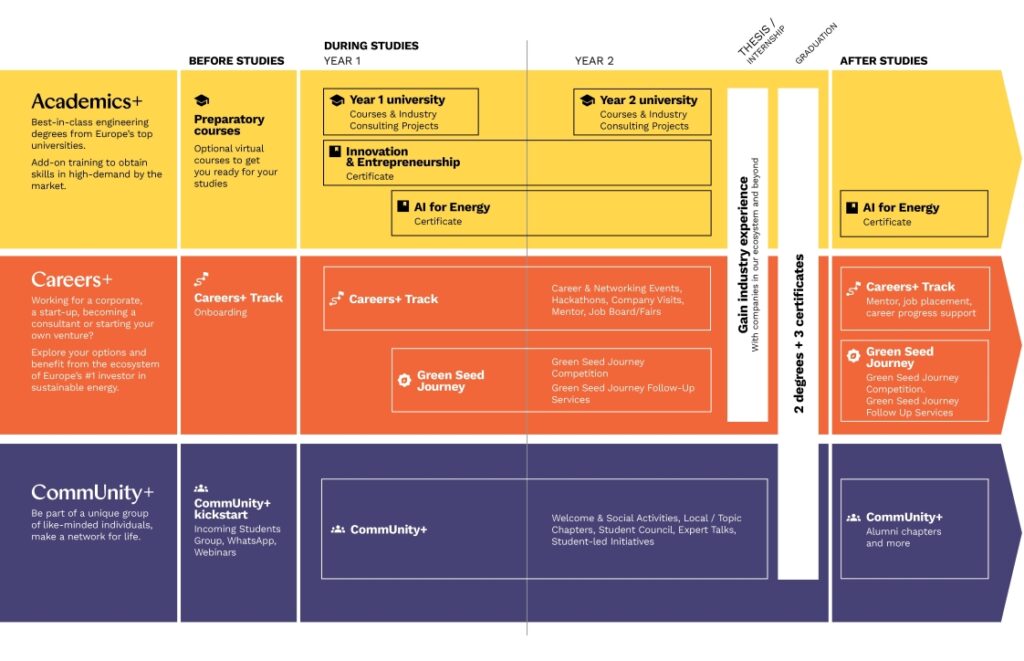
See how your whole Masters+ journey comes together
From your first steps before arrival to graduation and beyond, see how Masters+ develops across two years of academics, entrepreneurship, career development and community, and continues beyond graduation.
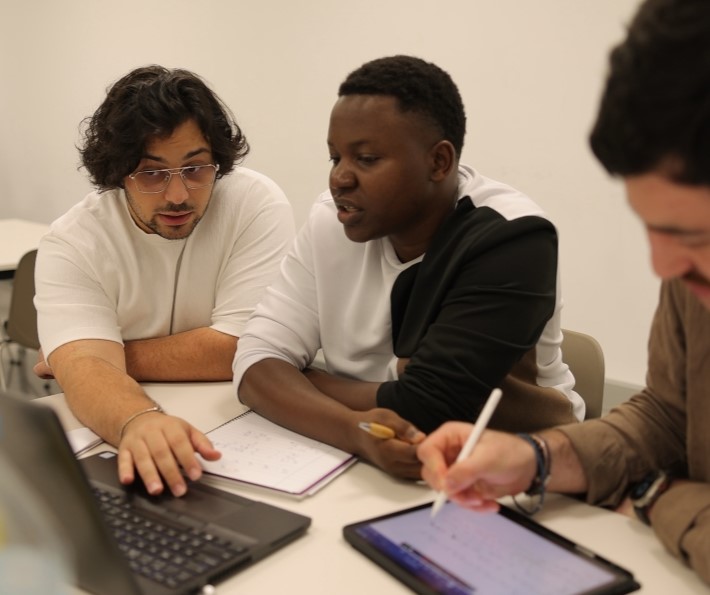
Where the Master’s in Sustainable Energy Systems takes you
Example roles:
- Energy Systems Engineer
- Energy Modelling Engineer
- Systems Integration Engineer
- Energy Optimisation Engineer
- Energy Systems Analyst
Work on how different technologies, resources and energy services interact, from system design and optimisation to modelling complex energy networks.
Example roles:
- Hydrogen Engineer
- Power-to-X Engineer
- Energy Storage Engineer
- Battery Systems Engineer
- Electrochemical Systems Engineer
Develop the technologies and processes used to store energy, produce energy carriers and connect renewable resources with transport, industry and other end uses.
Example roles:
- Renewable Energy Engineer
- Offshore Energy Engineer
- Wind Energy Engineer
- Solar Energy Engineer
- Marine Energy Engineer
Work on the design, development and integration of renewable generation across onshore and offshore energy systems.
Example roles:
- Circular Economy Engineer
- Sustainability Engineer
- Resource Efficiency Engineer
- Lifecycle Assessment Specialist
- Sustainable Technology Consultant
Look at how technologies are designed, used, recovered and replaced across their full life cycle, connecting technical performance with resource use and environmental impact.
Example roles:
- Energy Market Analyst
- Energy Consultant
- Energy Project Developer
- Energy Policy Analyst
- Technical Project Manager
Connect engineering knowledge with economics, policy, business and project delivery to help energy technologies move from technical concept to implementation.
Companies hiring Masters+ energy systems graduates






CommUnity+
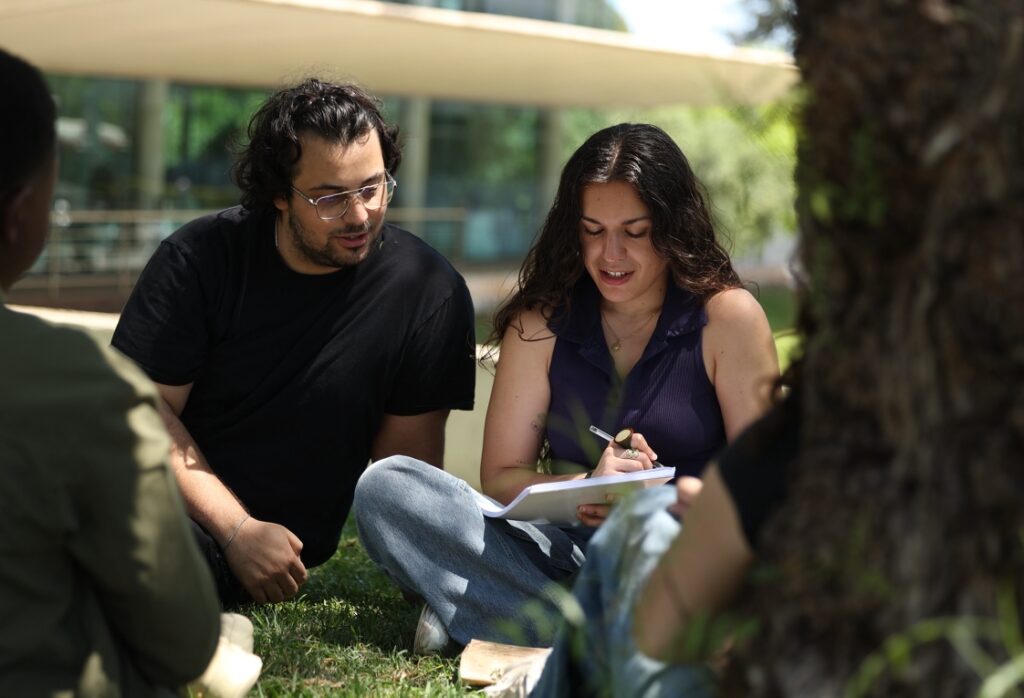
The Master’s in Sustainable Energy Systems takes you across universities, countries and specialisations, but you are part of Masters+ throughout the whole experience. You meet students beyond your own university and programme, build connections across the wider energy sector and join a community that continues after graduation.
CommUnity+ is where that wider Masters+ network comes together.
Talk to a student
Want to know what moving between universities is really like, how students choose their Year 2 energy systems pathway or what the workload feels like?
Admission requirements
To apply for InnoEnergy Masters+, you need:
- A completed Bachelor’s degree worth at least 180 ECTS, or equivalent
- The required level of English language proficiency
- A Bachelor’s degree that meets the programme-specific academic requirements
Still finishing your Bachelor’s?
You can apply while you are in the final year of your undergraduate degree. If your application is successful, you may receive a conditional offer while you complete your studies.
*If you plan to study at TU/e Eindhoven University of Technology, higher English-language requirements apply. Check the English proficiency requirements before choosing your study path.
For the Master’s in Sustainable Energy Systems, your Bachelor’s degree should be in one of the following areas:
- Physics
- Chemistry
- Engineering
- Mechanical Engineering
- Chemical Engineering
- Electrical Engineering
You need an average grade of at least 70% to be eligible for the programme.
Applicants to the Master’s in Sustainable Energy Systems must submit an elevator-pitch video instead of a motivation letter. Your video should be no longer than two minutes. Use it to explain why you want to join the programme, what you would contribute and why you should be admitted.
The full requirements page explains the application process, required documents and the evidence you need to provide.
Looking at a different part of the energy system? Explore other Masters+ programmes
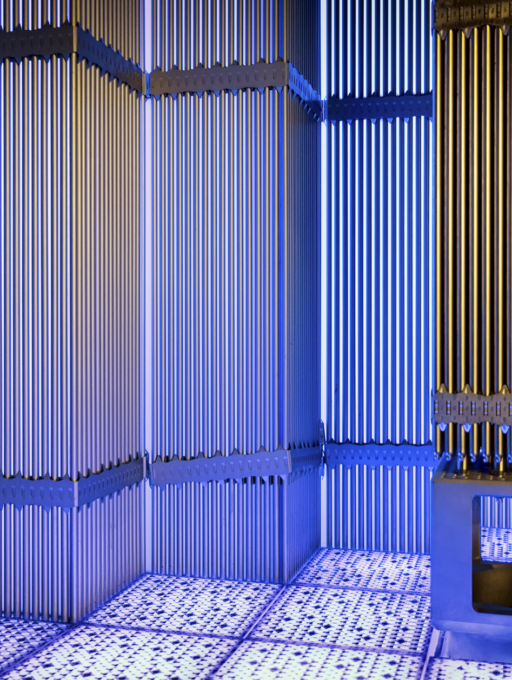
European Master’s in Nuclear Energy
Become the engineer who makes low-carbon power possible

Master’s in Advanced Energy Systems and AI
Become the engineer who closes the gap between AI and energy
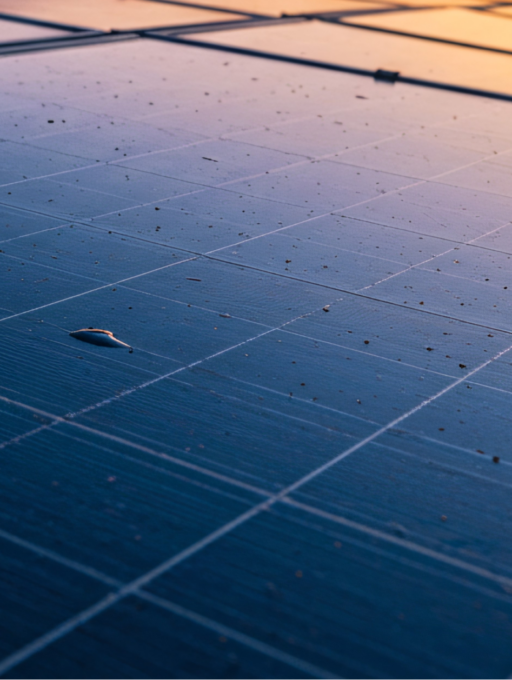
Master’s in Renewable Energy
Become the engineer who makes renewables scale
Master’s in Smart Electrical Networks and Systems
Become the engineer who powers electrification